
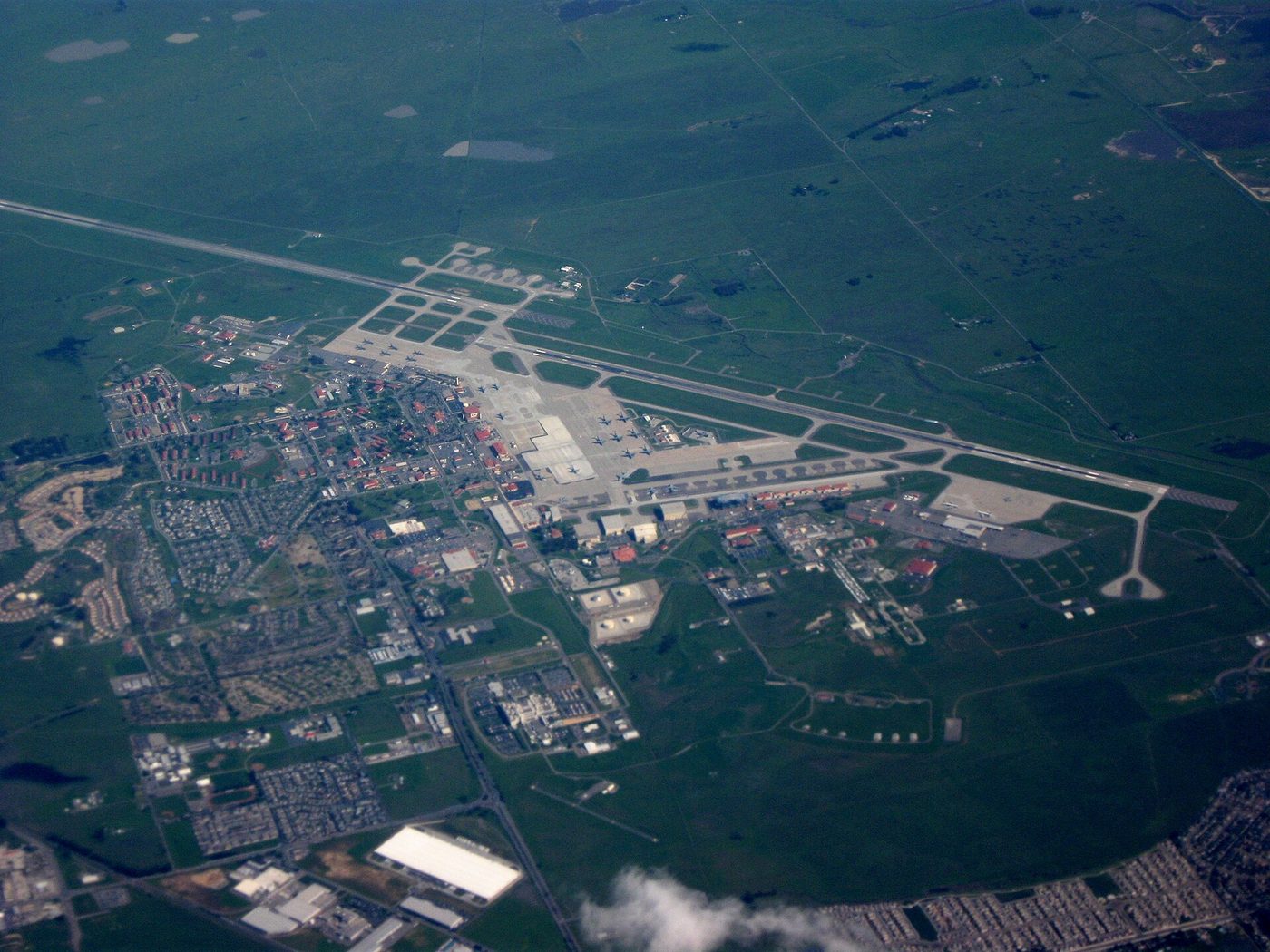
Few cities in Northern California carry a military footprint as visible as Fairfield's. Travis Air Force Base sits on the city's eastern edge, and its aircraft, personnel, and traffic patterns shape daily life across Solano County. Understanding that relationship explains much of why Fairfield looks and moves the way it does.
How Travis Air Force Base Shaped Fairfield
That influence began during World War II. The Army Air Forces opened Fairfield-Suisun Army Air Base in 1943 as a staging point for aircraft and crews bound for the Pacific Theater. In 1951, the Air Force renamed the installation in honor of Brigadier General Robert F. Travis, who died in a B-29 crash at the base the previous year.
The base expanded through the Cold War, and Fairfield expanded with it. Housing tracts, schools, and retail corridors grew to serve military families, and the city developed a lasting identity as a military community. Travis also played a part in national history, including receiving returning prisoners of war during Operation Homecoming in 1973.
Travis AFB Today: The "Gateway to the Pacific"
That historical role continues today under the nickname "Gateway to the Pacific," a reference to the base's work moving people and cargo across that ocean. Its host unit, the 60th Air Mobility Wing, is the largest wing in Air Mobility Command, the Air Force command responsible for airlift and aerial refueling.
Key Missions and Units
Several distinct missions operate from the base:
- Strategic airlift: C-5M Super Galaxy and C-17 Globemaster III aircraft carry heavy cargo, vehicles, and personnel over long distances.
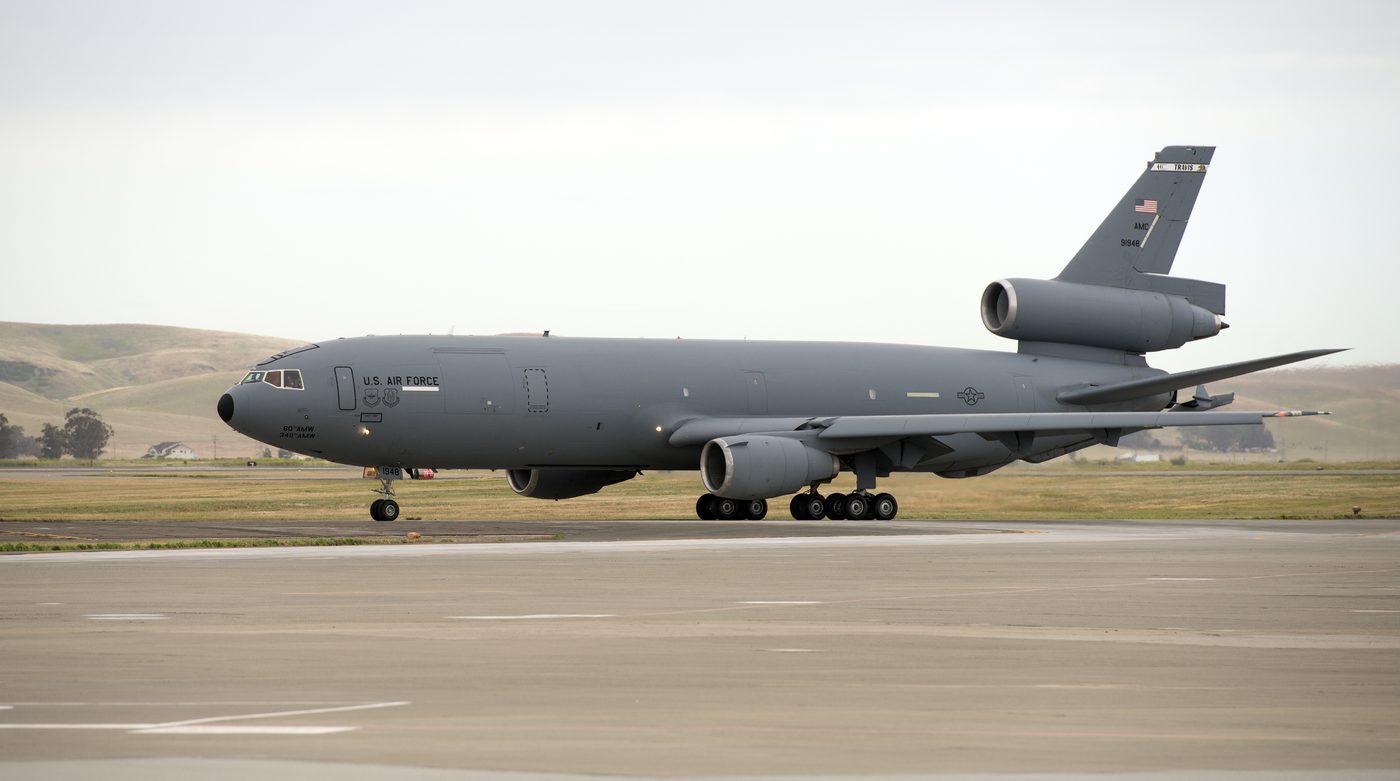
- Aerial refueling: KC-46A Pegasus tankers, which refuel other aircraft in flight, have replaced the base's retired KC-10 Extender fleet.
- Reserve partnership: The 349th Air Mobility Wing, an Air Force Reserve unit, flies alongside active-duty crews in what the military calls an associate unit, meaning two units share the same aircraft.
- Medical care: David Grant USAF Medical Center serves as one of the Air Force's major military treatment facilities.
The base's Economic Impact Analysis publishes current figures on these units and their missions.
Economic Footprint
Beyond its missions, Travis stands as one of Solano County's largest employers. Military paychecks, civilian contracts, and retiree spending support businesses throughout Fairfield, Suisun City, and Vacaville. Many retirees also choose to stay in the area to remain close to base medical and commissary services.
Military Life and Driving in Fairfield
Because so many residents work on or near the base, military schedules directly shape local roads. Driving conditions and base access rules both carry a distinct military dimension in Fairfield.
Commutes and Base Access
Most traffic reaches the base through Air Base Parkway, which connects to Interstate 80, with Peabody Road and Vanden Road serving as additional routes. Shift changes concentrate traffic in the early morning and late afternoon, particularly near the main gate. Drivers entering the base need a valid Department of Defense ID or an approved visitor pass. Security personnel may also ask for proof of vehicle registration and insurance.
Travis and the Fairfield Community
The relationship between the base and the surrounding area runs through shared infrastructure, healthcare, and local partnerships. In its 2024 Economic Impact Analysis, the base reported $3.7 billion in economic impact and called its community partnerships essential to its mission, citing emergency response coordination and shared infrastructure investments. The report also lists a $138 million runway revitalization and a $17 million ramp reconstruction carried out in 2024, investments meant to keep the base operating for years to come. It further notes that the base worked with community leaders to lay the foundation for a $125 million expansion of Taxiway November.
Healthcare is another link. David Grant USAF Medical Center, the Air Force’s largest inpatient medical facility, cares for more than 276,000 beneficiaries across Northern California. The base’s analysis adds that the facility trains the next generation of military medical professionals. According to Solano EDC, the medical center also collaborates with the VA Northern California Health Care System to provide care to local veterans.
The base also preserves its history in an on-base museum. The Travis AFB Aviation Museum displays 23 aircraft, including the B-29 Superfortress, B-52 Stratofortress, and C-141 Starlifter, along with 20 aircraft engines and exhibits on World War II, the Korean War, the Vietnam War, and space exploration.
For many Fairfield residents, whether they serve, work on base, or simply live nearby, that heritage is part of the local landscape. Travis Air Force Base remains central to Fairfield's identity, economy, and daily rhythm. Its history, missions, and population continue to shape how residents live, work, and commute.
← Back to all articles


