
Few places in Solano County connect residents as directly to the region's origins as Peña Adobe Park. The restored adobe home at its center dates to 1842, years before California became a state and nearly a decade before Vacaville existed as a town. For anyone who drives Interstate 80 through Lagoon Valley, the site offers a short detour into the rancho era that shaped the city's name, layout, and identity.
The Rancho Los Putos Land Grant
To understand the adobe, start with the land around it. In the early 1840s, Mexico governed Alta California and encouraged settlement through land grants called ranchos, large tracts awarded to families for cattle grazing and agriculture.
The Vaca and Peña families arrived in the area in 1841 after traveling from New Mexico. In the mid-1840s, the Mexican government formally granted them Rancho Los Putos, a holding that covered roughly ten square leagues (more than 40,000 acres) across what is now the Vacaville area. The grant's name traces back to the Putah Creek region and the Patwin people, the Indigenous inhabitants who lived in these valleys long before European or Mexican settlement.
Key Figures of the Rancho Era
- Juan Manuel Vaca: Co-grantee of Rancho Los Putos and the namesake of Vacaville.
- Juan Felipe Peña: Co-grantee whose family built and lived in the adobe that now anchors the park.
- The Patwin people: The Native community whose villages and resources defined the region before the rancho period.
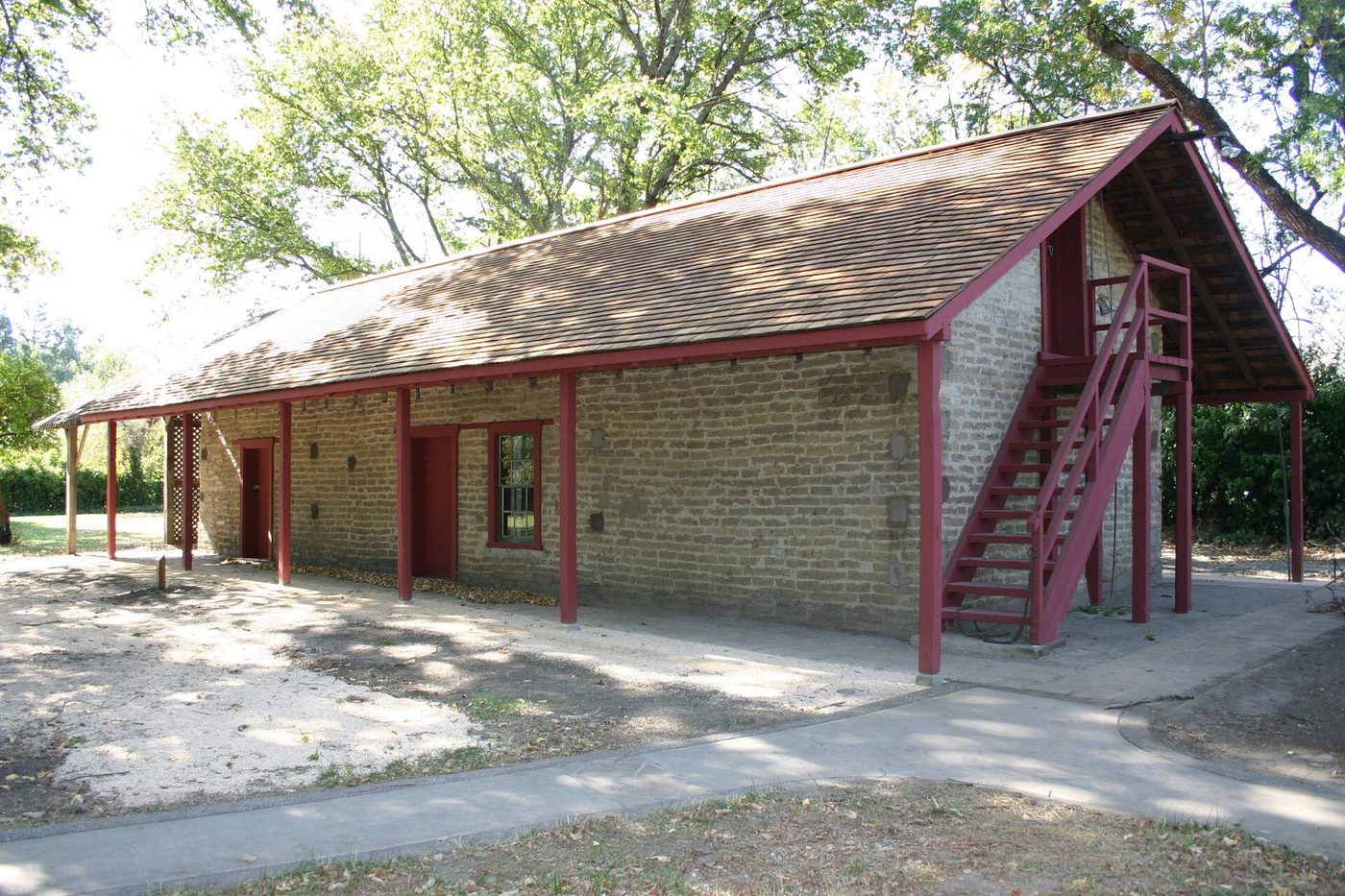
The Peña Adobe: Construction and Survival
The Peña family built their home in 1842, and the structure stands today as one of the oldest buildings in Solano County. Its survival reflects both the durability of its materials and decades of local preservation effort.
How Adobe Construction Works
Adobe refers to sun-dried bricks made from clay, sand, water, and straw. Builders pack the mixture into molds, let the bricks dry in the sun, and stack them into thick load-bearing walls. Those walls provide thermal mass, meaning they absorb heat slowly during the day and release it at night, which suited the Sacramento Valley's hot, dry summers well before air conditioning existed.
Landmark Status and Restoration
The state recognizes the site as California Historical Landmark No. 534, a designation administered through the California Office of Historic Preservation. Landmark status acknowledges a site's statewide historical significance and supports its interpretation for the public. In the 1960s, local preservationists and the City of Vacaville restored the adobe, stabilizing its walls and opening it to visitors.
From Rancho to Town: How Vacaville Got Its Name
The rancho story leads directly to the founding of the city itself. In 1850, Juan Manuel Vaca sold a portion of his land to William McDaniel, reportedly on the condition that the new town carry the Vaca name. McDaniel laid out the town in 1851, and Vacaville grew from that original townsite into the city residents know today.
That transition marks a broader shift across California. American settlement, the Gold Rush, and land disputes following statehood broke up many large ranchos within a few decades. Vacaville's name preserves a direct link to that earlier era, even as the surrounding landscape changed from open grazing land to orchards, neighborhoods, and highway corridors.
Visiting Peña Adobe Park Today
Peña Adobe Park sits just off Interstate 80 near Lagoon Valley, making it one of the more accessible historic sites in the region. Visitors can typically expect:
- The restored adobe: The 1842 home, presented as a reminder of rancho-era domestic life.
- The Mowers-Goheen Museum: A small museum on the grounds that displays Native American artifacts from the area.
- Picnic areas and open space: Shaded grounds suited to short family outings.
- Proximity to Lagoon Valley Park: A neighboring park with trails and a lake for longer visits.
Because hours and building access can change, residents should confirm current schedules through the City of Vacaville before planning a trip around a museum or adobe tour.
Planning a Visit Around Vacaville's Summer Heat
Vacaville's climate shapes how residents experience outdoor sites like this one. Summer afternoons in the area frequently climb above 90°F, and heat waves can push temperatures past 100°F. The same conditions that made thick adobe walls practical in 1842 still affect anyone spending an afternoon outdoors today.
Inside the park, the adobe itself rewards a closer look. According to the Peña Adobe Historical Society, the home has dirt floors and four windows, and it still contains original hand-hewn redwood timbers cut in the hills near Napa. Its walls are two feet thick. The society also notes that the neighboring Vaca Adobe, built to the east, was destroyed by the earthquake of 1892, which leaves the Peña Adobe as the surviving rancho-era home at the site.
The grounds suit longer stays as well. The City of Vacaville describes the Peña Adobe Historic Area as an 8-acre park with barbecue grills, horseshoe pits, open fields, hiking and biking trails, public restrooms, and rentable picnic shelters. The Mowers-Goheen Museum hosts a free event on the first Saturday of the month, which gives Vacaville residents a regular chance to see the collection.
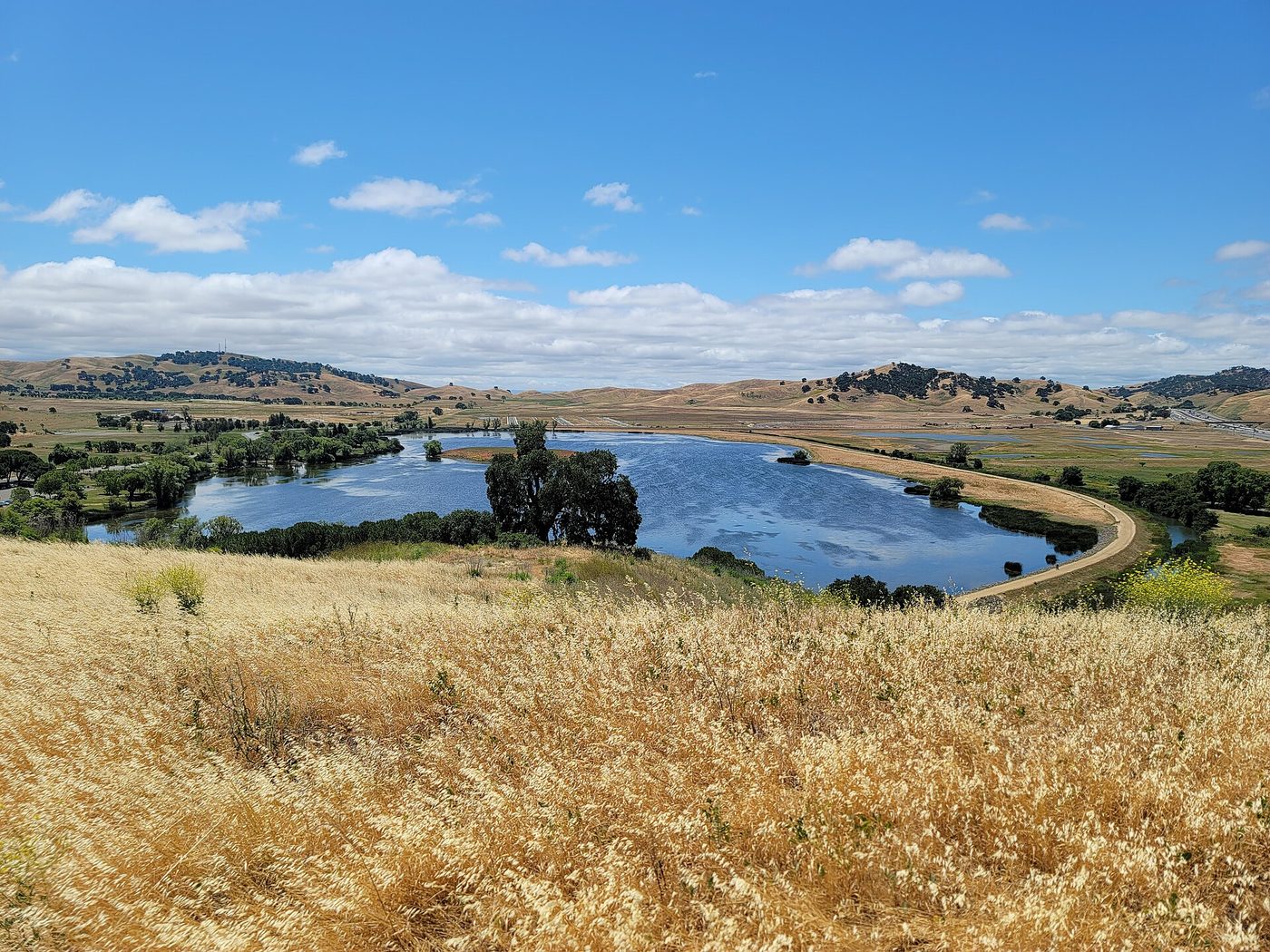
For a more comfortable visit, many residents plan outings for spring or fall, or schedule summer trips for early morning. Those seasons also show Lagoon Valley's hillsides at their greenest, offering a clearer sense of the grazing land that first drew the Vaca and Peña families to the area.
← Back to all articles


