
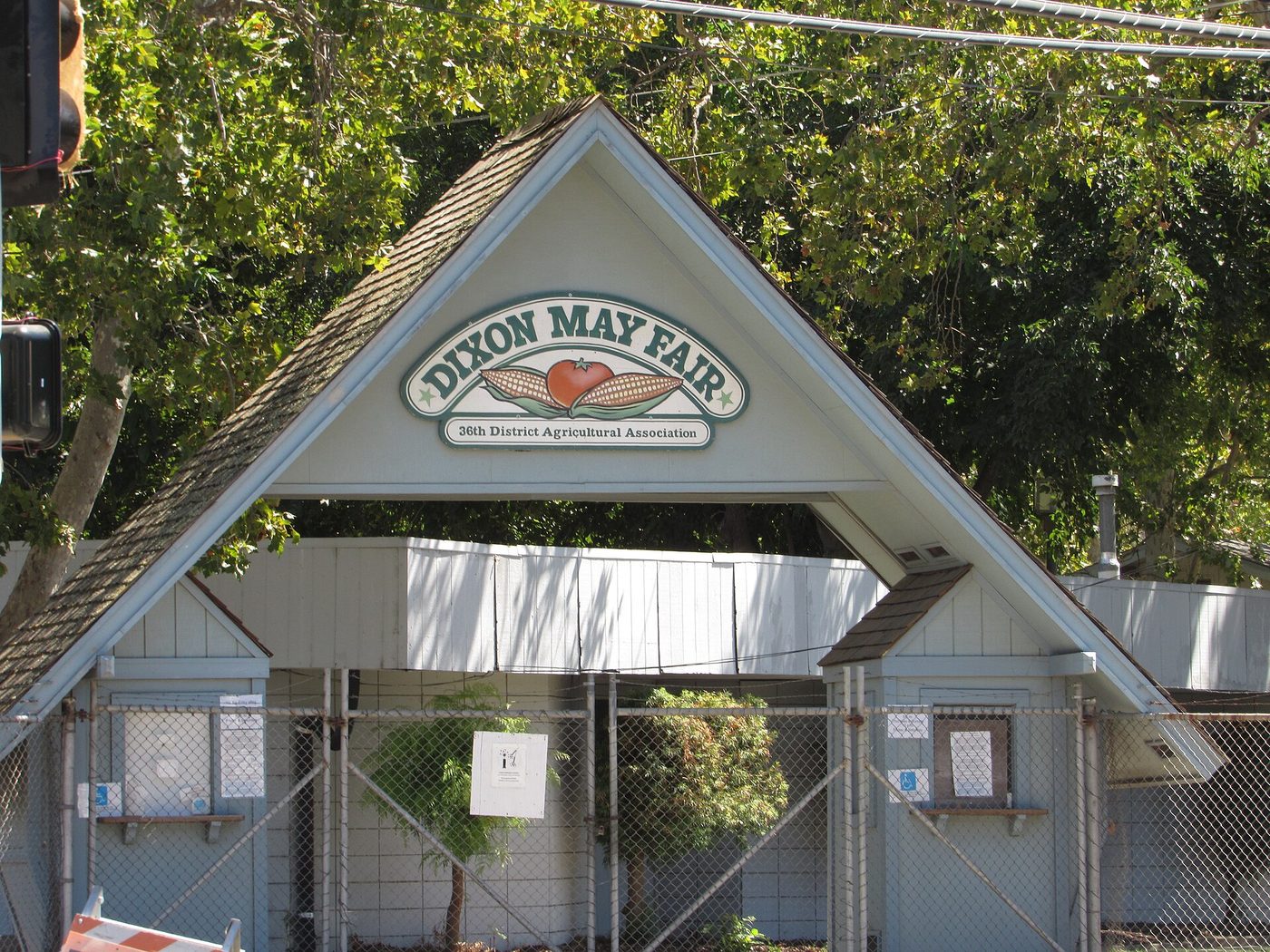
Each spring, the Dixon May Fair draws residents and visitors from across Solano County and the Sacramento Valley to the city's fairgrounds. Organizers trace the event's roots to 1876, and it is widely described as one of the oldest continuously held fairs in California. For a city built on farming, the fair works as both a celebration and a living record of local agriculture. Understanding that history also helps residents prepare for the practical realities of fair season, from heavier traffic to livestock trailers on local roads.
The Origins of the Dixon May Fair
The fair grew out of a community May Day picnic in the 1870s, shortly after the town relocated from the nearby settlement of Silveyville to sit along the new railroad line. The railroad gave local growers a direct route to Sacramento and the Bay Area, and the town quickly organized around agriculture. Over the following decades, the informal picnic expanded into a structured fair with livestock shows, crop exhibits and competitions.
That transition reflects a broader pattern in rural California. Farm communities used fairs to share growing techniques, compare livestock and recognize successful producers. In Dixon, the tradition took hold early and never fully disappeared, and the fair's official site lists the 2027 event for May 6 through 9.
How the Fair Reflects Dixon's Agricultural Economy
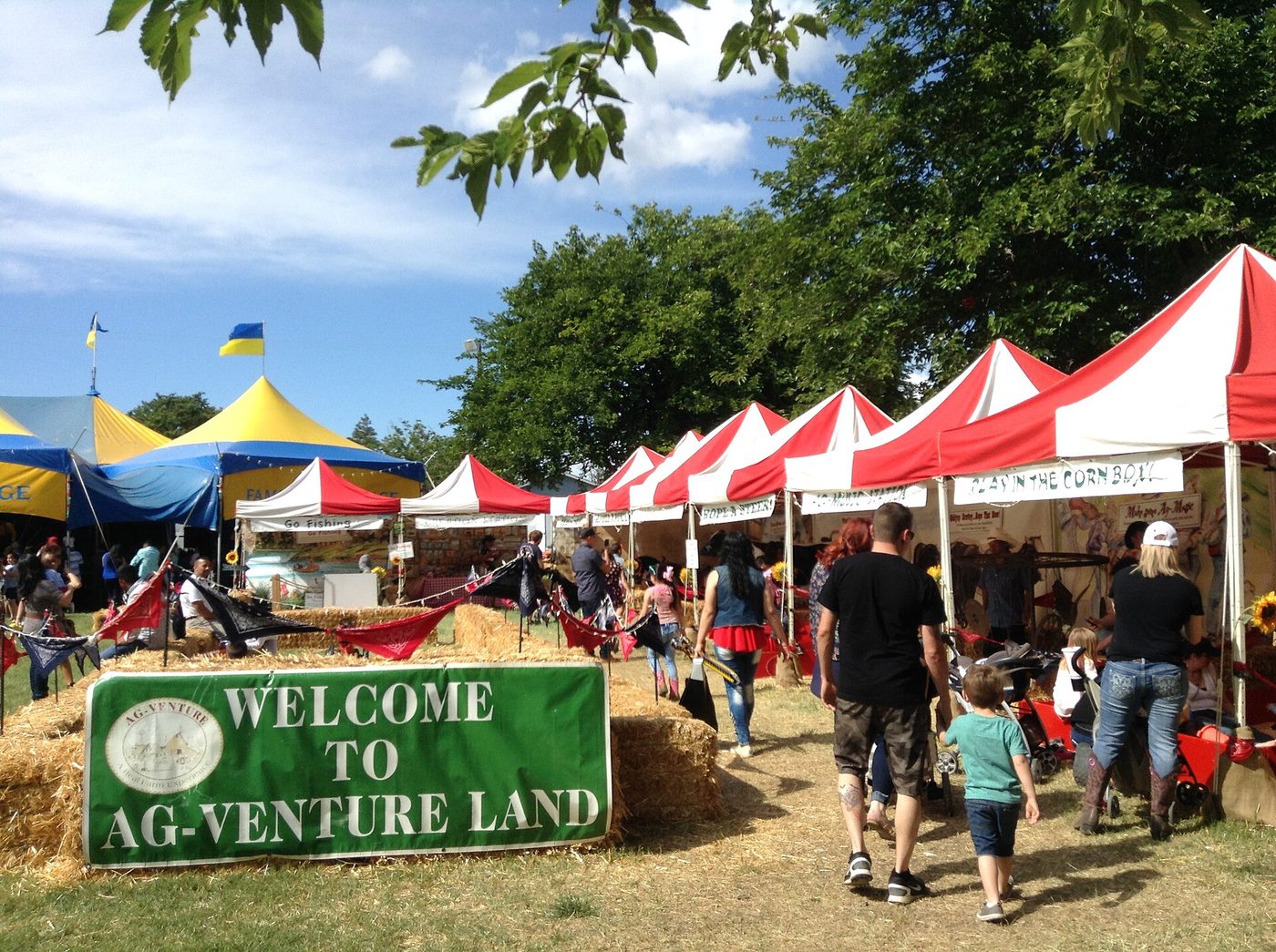
The exhibits at the Dixon May Fair mirror the crops and animals that define the surrounding landscape. Solano County's fertile valley soils support field crops such as processing tomatoes, alfalfa and wheat, along with orchards of walnuts and almonds. Sheep and cattle ranching also hold a long place in the area's history, and livestock remains central to the fair program.
Youth Livestock Programs
Youth exhibitors from 4-H and FFA (Future Farmers of America) programs raise animals over several months and show them at the fair. A junior livestock auction typically follows, giving young participants hands-on experience with animal care, record keeping and market pricing. These programs connect the next generation directly to the region's farming economy.
Agricultural Research Nearby
Dixon also sits a short drive from UC Davis, one of the country's leading agricultural research universities. The UC Cooperative Extension network shares research with local growers and youth programs, which reinforces the educational side of the fair. Together, these institutions give Dixon's agricultural identity a strong foundation in both tradition and science.
California's District Fair System
The Dixon May Fair operates within a statewide structure that many residents never see. California organizes many of its fairs through District Agricultural Associations, which are state-created entities that manage local fairgrounds; Dixon's fair runs under the 36th District Agricultural Association. The California Department of Food and Agriculture provides fiscal and policy oversight of this network of California fairs through its Fairs and Expositions Branch.
This system matters locally because the fairgrounds serve the community year-round. Beyond the May event, fairgrounds across the state often host other community events and can serve as staging areas during emergencies. As a result, the Dixon fairgrounds function as shared civic infrastructure rather than a single-weekend venue.
Fair Season Traffic and Towing in Dixon
Fair weekend brings a noticeable rise in traffic along Interstate 80 and on the city streets surrounding the fairgrounds. Exhibitors arrive with stock trailers, horse trailers and trucks hauling equipment, which share the road with commuters and visitors. Drivers who know the relevant California towing rules can move through this period more safely.
Key California Vehicle Code requirements for towing include:
- Speed limit: Vehicles towing a trailer may not exceed 55 mph on California highways, even where the posted limit is higher.
- Lane use: Towing vehicles must generally use the right-hand lane, or either of the two right-hand lanes on highways with four or more lanes in one direction.
- Trailer brakes: Trailers with a gross weight of 1,500 pounds or more must have working brakes.
- Safety chains: Trailers must connect to the tow vehicle with safety chains in addition to the main hitch.
Rural roads around Dixon also carry farm equipment throughout the year. California requires a slow-moving vehicle emblem, an orange triangle with a reflective red border, on vehicles designed to travel under 25 mph. Recognizing that emblem helps drivers judge closing speed and pass only when visibility allows.
Spring Heat and Vehicle Readiness
May weather in the Sacramento Valley can shift quickly. Daytime highs commonly reach the 80s and can climb into the 90s, and long stretches of dry weather begin as the season moves toward summer. Those conditions put added stress on tires, cooling systems and batteries, especially for vehicles towing heavy loads, which is why many drivers schedule a tire and brake check before fair weekend.
Tire condition carries real safety weight. According to the National Highway Traffic Safety Administration, 511 people died in tire-related crashes in 2024, and its tire safety guidance points to underinflation as a leading contributor to blowouts. Tire pressure refers to the amount of air inside the tire, measured in pounds per square inch (PSI), and the correct figure appears on the label at the driver's side door edge or in the owner's manual.
NHTSA advises measuring pressure when tires are cold, meaning the vehicle has not been driven for at least three hours, which matters for anyone checking a truck and trailer on a warm Dixon morning.
Parking also deserves attention during fair season. Overflow parking areas near fairgrounds sometimes include grass or unpaved lots, and a hot exhaust system or catalytic converter can ignite dry vegetation on contact. That risk rises across Solano County as spring grasses dry out, so paved or cleared surfaces offer the safer choice.
Why the Fair Still Matters to Dixon Residents
The Dixon May Fair connects the city's present to its farming past in a way few local events can. It showcases the crops and livestock that built the local economy, supports youth agricultural education and keeps the fairgrounds active as a community resource. For residents, the fair also marks a seasonal shift in traffic patterns, road use and weather that affects everyday driving across the Dixon area.
← Back to all articles


