
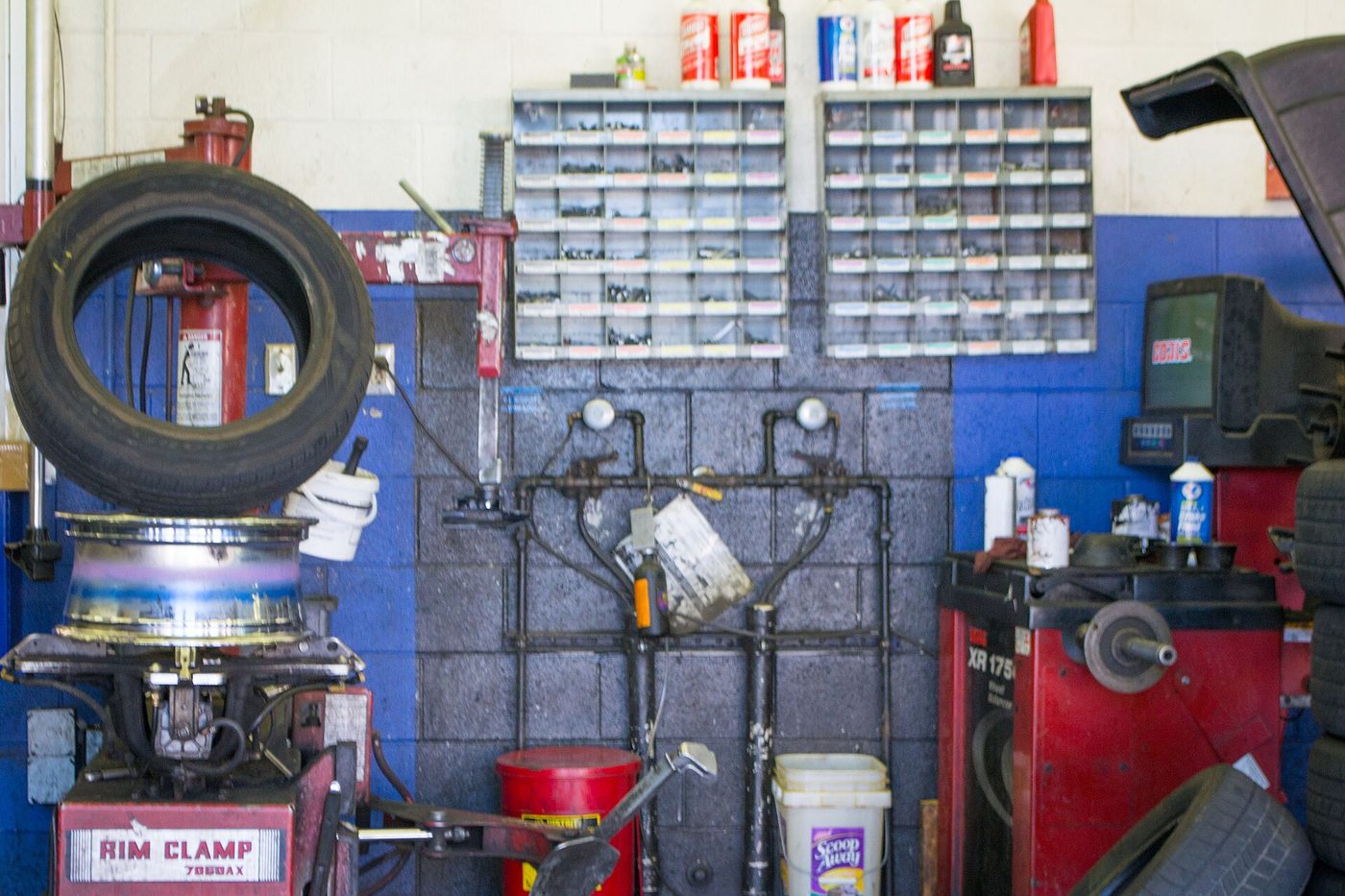
An auto repair shop is full of powerful equipment. Vehicle lifts raise thousands of pounds overhead, tire machines put rims under high pressure, and technicians work around chemicals, hot engines, and electrical systems every day. In California, the Division of Occupational Safety and Health, better known as Cal/OSHA, sets the rules that protect the people doing that work. While these standards focus on workers, they also reflect how carefully a shop operates. Understanding them gives Fremont and Tri-City drivers a clearer picture of what goes into a safe, well-run repair shop.
What Cal/OSHA Is
Cal/OSHA is part of California’s Department of Industrial Relations. California runs its own state workplace safety program, approved by federal OSHA, and its standards must be at least as effective as federal rules. In several areas, California’s requirements go further.
Cal/OSHA’s standards are found in Title 8 of the California Code of Regulations. They apply to nearly every employer in the state, including auto repair and tire shops. Cal/OSHA enforces these standards through inspections, investigations of complaints and workplace injuries, and citations when violations are found.
The Injury and Illness Prevention Program
One of California’s foundational safety requirements is the Injury and Illness Prevention Program, often called the IIPP. Every California employer must have a written program that identifies who is responsible for safety, how hazards are found and corrected, how employees are trained, and how workers can report safety concerns without fear of retaliation.
For an auto repair shop, an effective IIPP covers everyday risks such as lifting heavy parts, working under raised vehicles, handling sharp tools, and operating tire equipment. Regular inspections and training help catch problems before someone gets hurt. The requirement is set out in Title 8, Section 3203 of California’s regulations.
Chemical Safety and Hazard Communication
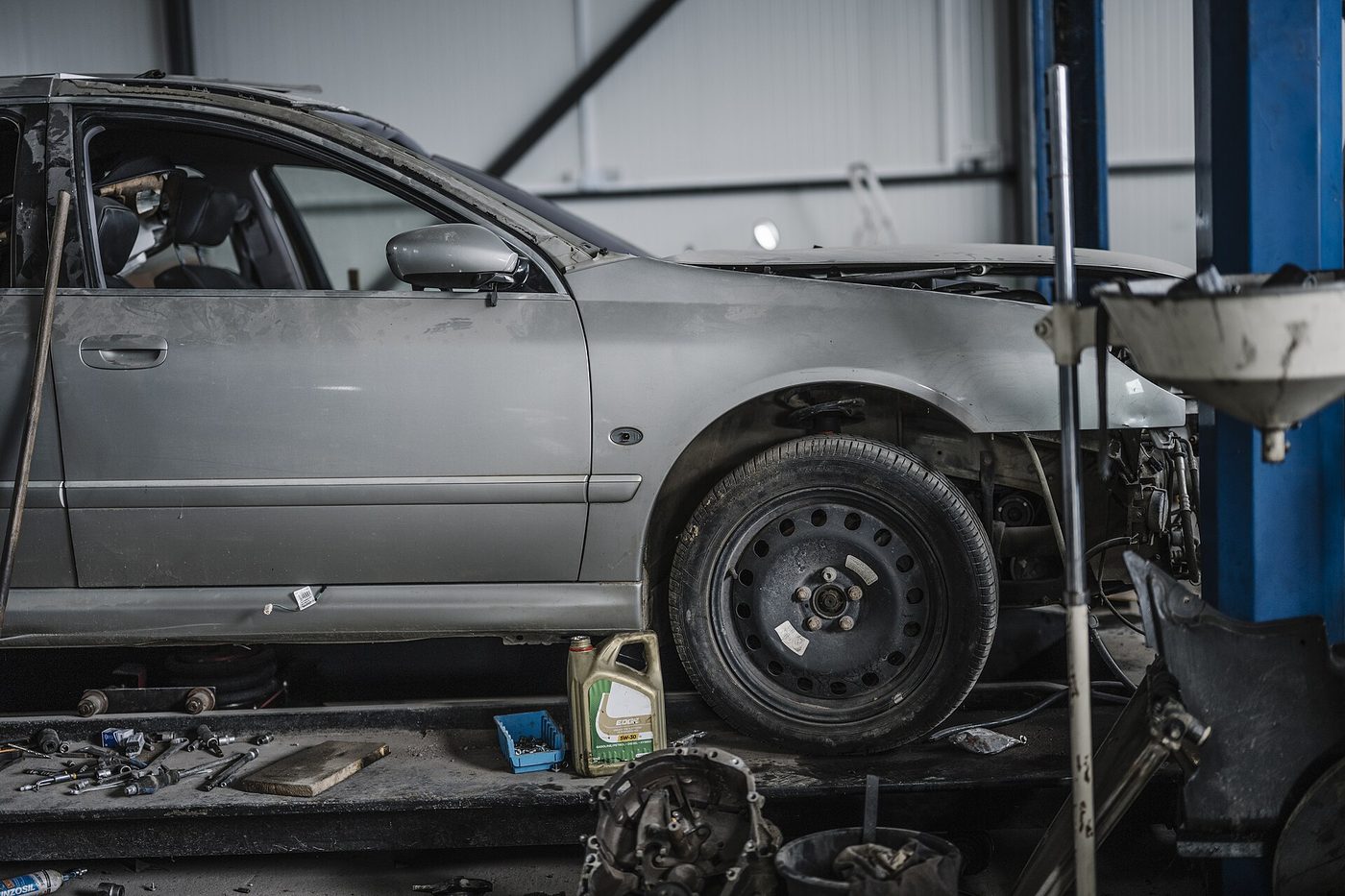
Auto repair involves many chemicals, including motor oil, brake fluid, coolant, solvents, degreasers, and refrigerants. Cal/OSHA’s Hazard Communication standard requires employers to keep safety data sheets for hazardous chemicals, label containers properly, and train employees on the hazards of the chemicals they use and how to protect themselves.
Proper chemical handling protects technicians from burns, skin irritation, and harmful fumes. It also supports safe storage and disposal practices that benefit the surrounding community. California’s hazard communication rules appear in Title 8, Section 5194.
Tire Service, Lifts, and Shop Equipment
Tire work carries specific risks. When a tire is inflated on a rim, the pressure stored in that assembly can cause serious injury if a component fails or the tire is mounted incorrectly. Workplace safety rules for servicing rim wheels address training, inflation procedures, and the use of restraining devices such as safety cages when inflating certain wheel types. Federal OSHA’s standard for servicing rim wheels describes these practices, and California applies its own requirements as a state plan.
Vehicle lifts require care as well. Lifts must be used within their rated capacity, with vehicles positioned on the proper lift points, and inspected and maintained regularly. Technicians should be trained on each type of lift they use. Other everyday equipment, such as air compressors, jacks, jack stands, and power tools, also needs routine inspection and safe operating procedures.
Heat and Indoor Work Conditions
Fremont summers can heat up a closed shop quickly, especially in service bays with running engines. California has long had a heat illness prevention standard for outdoor work, and it has since adopted a standard for indoor workplaces where temperatures reach certain levels. The indoor heat illness prevention standard covers measures such as access to water, cool-down areas, and plans for monitoring heat conditions.
For shops, this can mean ventilation, fans, shaded rest areas, and training so employees recognize the signs of heat illness in themselves and coworkers.
What These Standards Mean for Drivers
Workplace safety rules exist to protect employees, but drivers benefit from them too. A shop that trains its technicians, maintains its lifts and tire equipment, and handles chemicals carefully tends to bring the same attention to detail to your vehicle. Organized, well-maintained service bays usually reflect organized, well-managed repair work.
When choosing a shop, you can learn a lot from simple observation and a few questions:
- Does the service area look clean, organized, and well maintained?
- Are the technicians working on your vehicle trained and certified, such as through ASE?
- Will the shop explain recommended repairs clearly and provide an estimate before starting?
- Does the shop use quality parts and stand behind its work with a warranty?

Dependable Workmanship and Friendly Service Since 1979
Safe practices in the shop and quality work on your vehicle go hand in hand. Choosing a shop that takes both seriously helps keep you safe on the road.
Big Discount Tire Pros has served Fremont drivers since 1979, along with customers from San Jose, Hayward, Sunnyvale, Santa Clara, Milpitas, Union City, and Newark. Our ASE-certified technicians handle tires, alignments, and complete auto repair for all makes and models, including oil change service, brake repair, and AC repair.
Expect honest recommendations, competitive pricing, and quality parts. Schedule an appointment or call (510) 674-1096 to keep your vehicle safe and road-ready.
← Back to all articles


