
Dixon drivers log plenty of miles on Interstate 80 and the rural roads that cut through Solano County farmland. Sooner or later, a collision or road hazard sends many of them into the insurance claims process. We want you to know those rules so you can get a safe, complete repair without settling for less than your policy promises.
How the California Department of Insurance Oversees Auto Claims
The California Department of Insurance (CDI) licenses and regulates every company that sells auto insurance in the state. Its main rulebook for claims handling is the Fair Claims Settlement Practices Regulations, found in Title 10 of the California Code of Regulations. These rules set deadlines and prohibit tactics that push claimants toward lowball settlements.
Section 2695.8 of those regulations deals specifically with auto claims. It covers repair estimates, replacement parts, total loss valuations, and your right to choose a shop. You can review these auto claim standards if you want the exact wording.
Claim Deadlines Insurers Must Meet
The same regulations also put insurers on the clock. Under Sections 2695.5 and 2695.7, an insurer generally must:
- Acknowledge your claim within 15 calendar days of receiving notice
- Respond to your communications within 15 calendar days
- Accept or deny your claim within 40 calendar days of receiving proof of claim
- Pay an accepted claim within 30 calendar days
Your Right to Choose Your Own Repair Shop
Beyond deadlines, California law protects one of the biggest decisions in any claim: where your car gets fixed. Insurance Code Section 758.5 prohibits insurers from requiring you to use a specific repair shop. An insurer may recommend a shop only if you expressly ask for a referral or if it has told you in writing that you have the right to choose.
Many insurers run a direct repair program (DRP), which is a network of shops that agree to the insurer's pricing and procedures. You can use a DRP shop, but you never have to. Dixon drivers are welcome to choose us. You can learn more on our Dixon auto repair page.
When Repair Estimates Don't Match
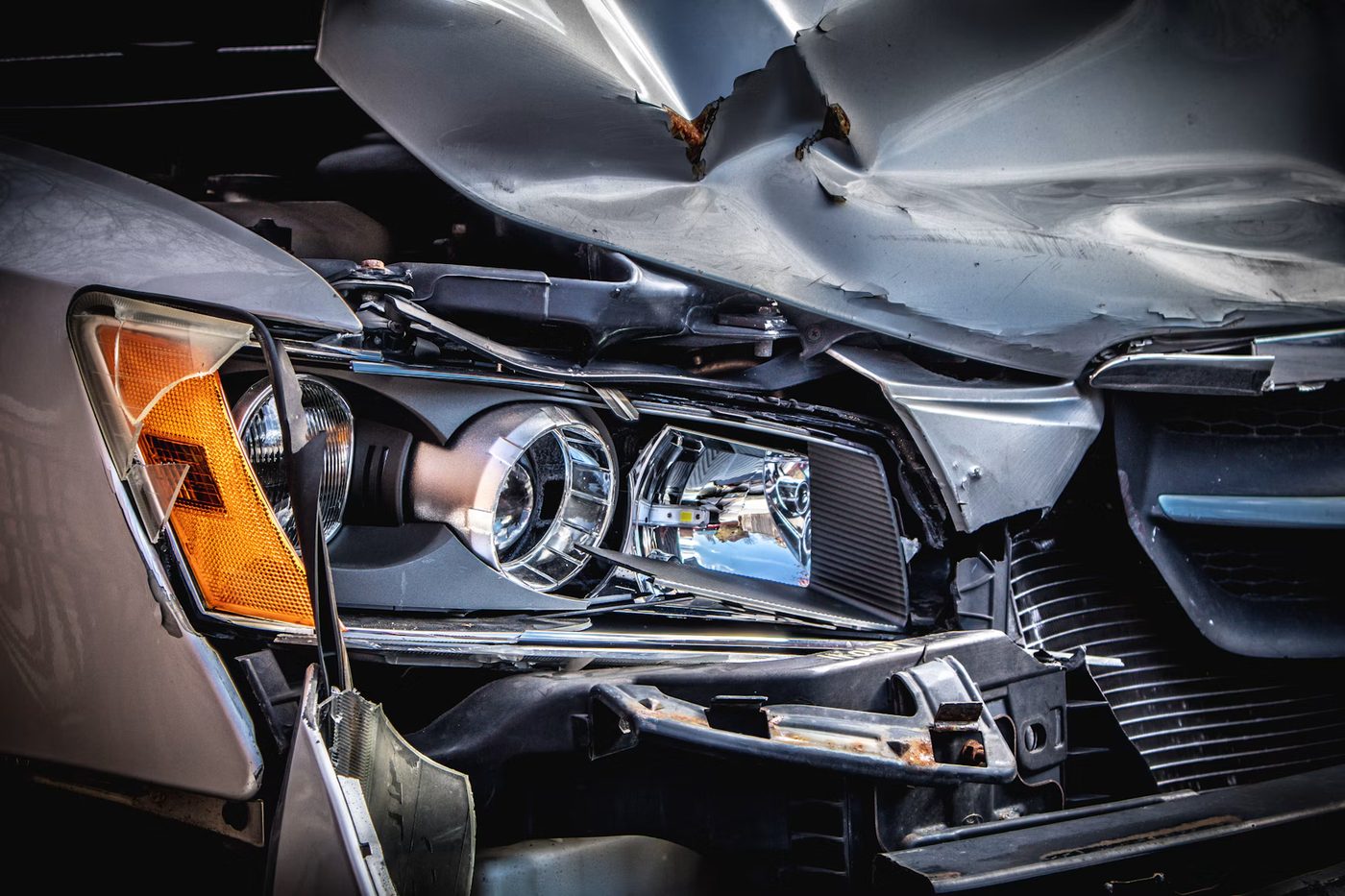
The insurer usually writes its own estimate first, and a repair shop may then find damage the adjuster missed. Hidden damage can turn up in suspension and steering components, behind bumpers, or inside wheel wells.
When a shop finds damage after taking the vehicle apart, it submits a supplement, which is an additional estimate for the newly discovered work. If you obtain a higher written estimate and tell your insurer the repair needs more money, Section 2695.8 gives the insurer three options:
- Pay the difference between its written estimate and the higher estimate
- If you request it, give you the name of at least one shop that will make the repairs for the insurer's estimate amount
- Reasonably adjust your shop's estimate and send you and your shop a copy of the adjusted version
A hard impact can also push your wheels out of line and affect your brakes. We offer wheel alignment and brake repair for drivers who want those systems checked after a collision.
How the Bureau of Automotive Repair Fits In
While CDI regulates insurers, a separate agency oversees the shops. The Bureau of Automotive Repair (BAR), part of the California Department of Consumer Affairs, registers automotive repair shops in the state. According to BAR, a registered shop must give you an estimate before any work starts. You can review your repair rights on the BAR website.
OEM vs. Aftermarket Replacement Parts
Next comes the question of which parts go on your vehicle. OEM (original equipment manufacturer) parts come from the automaker or its approved supplier, while aftermarket parts come from third-party manufacturers. Insurers can specify non-OEM crash parts, which are replacement parts used in collision repair, but California sets conditions.
Under Section 2695.8, an insurer cannot require non-OEM crash parts unless they are at least equal to OEM parts in kind, quality, safety, fit, and performance. The insurer must also pay for any modifications the parts need and state in writing, in its estimate, that it warrants them. Read that estimate line by line before you approve the repair.
Warranty coverage matters as much as the part. Ask any shop how its warranty treats parts and labor, and get the answer in writing. You can read about ours on our warranty page.

Why These Rules Matter for Dixon Drivers
Local driving conditions make these protections especially relevant in Dixon. Interstate 80 carries heavy commuter and freight traffic between Sacramento and the Bay Area, and State Route 113 links the city with Davis and the rest of Solano County.
Road hazards also punish tires. A pothole strike or a roadside puncture can mean tire repair or a full tire installation, and a post-accident car inspection can catch problems before they become unsafe.
If you believe an insurer has mishandled your claim, you can file a complaint with CDI or call its consumer line at 1-800-927-4357. Before you get to that point, a few simple habits strengthen your position:
- Photograph all damage before any repairs begin
- Request the insurer's estimate in writing
- Get a separate written estimate from the shop you choose
- Keep a dated log of every call, email, and letter
Get Clear Answers on Your Auto Repair Needs Near Dixon
Knowing your rights makes every repair decision easier. At Big Discount Tire Pros, we serve drivers in Dixon and nearby Solano County communities from our Vacaville shop. We offer a full range of auto repair services, from brakes and suspension to tires and inspections. When you are ready, schedule an appointment or contact us with questions about your vehicle, and we will help you take the next step with confidence.
← Back to all articles


